Home Wi-Fi: a simple guide to protect your network from intruders
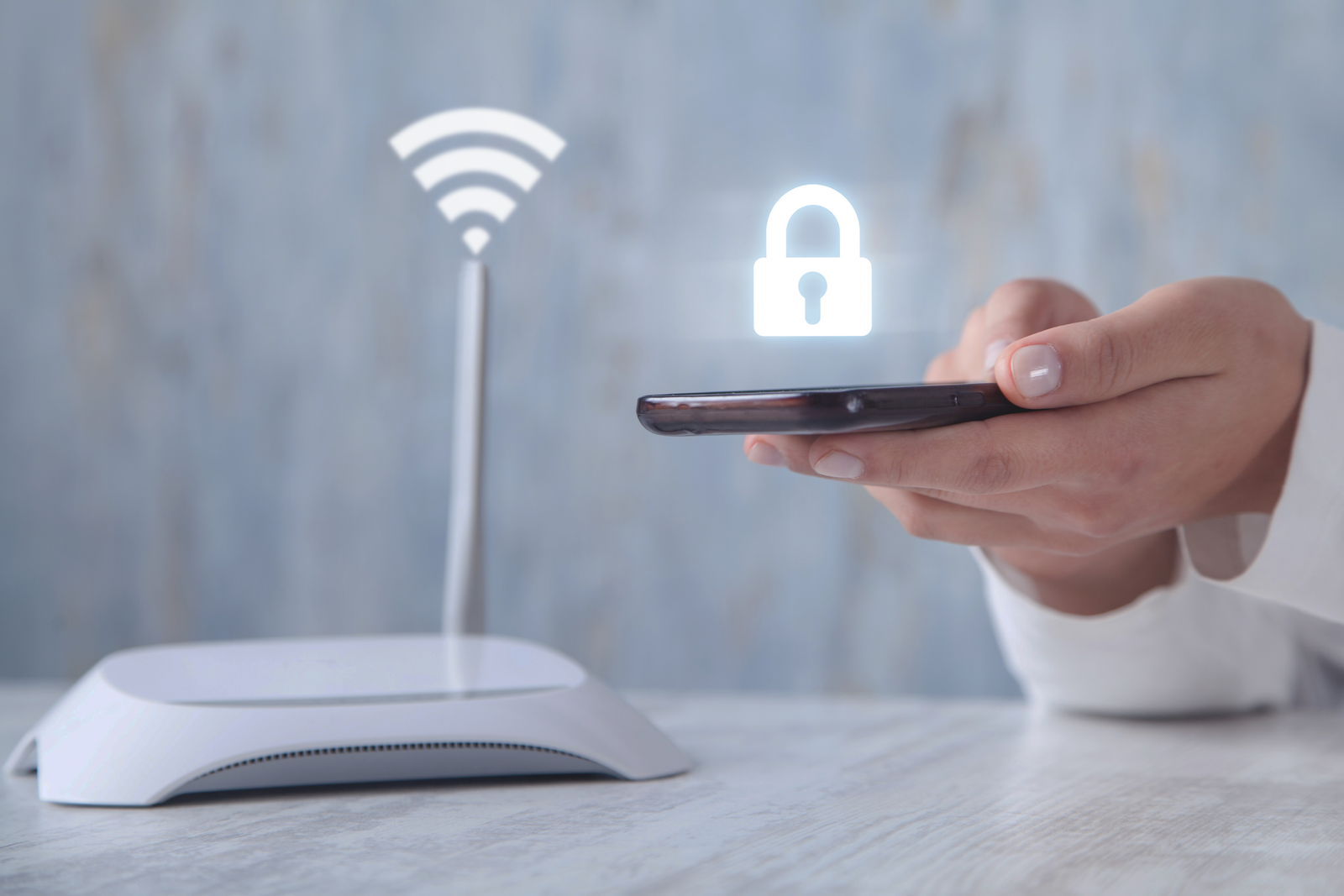

Having Wi-Fi at home is no longer a luxury — it’s essential. But many people forget that an unprotected network can be a gateway for intruders: neighbours “borrowing” your internet, attacks on connected devices, and even theft of personal data.
The good news? With a few simple steps, you can secure your network and browse much more safely.
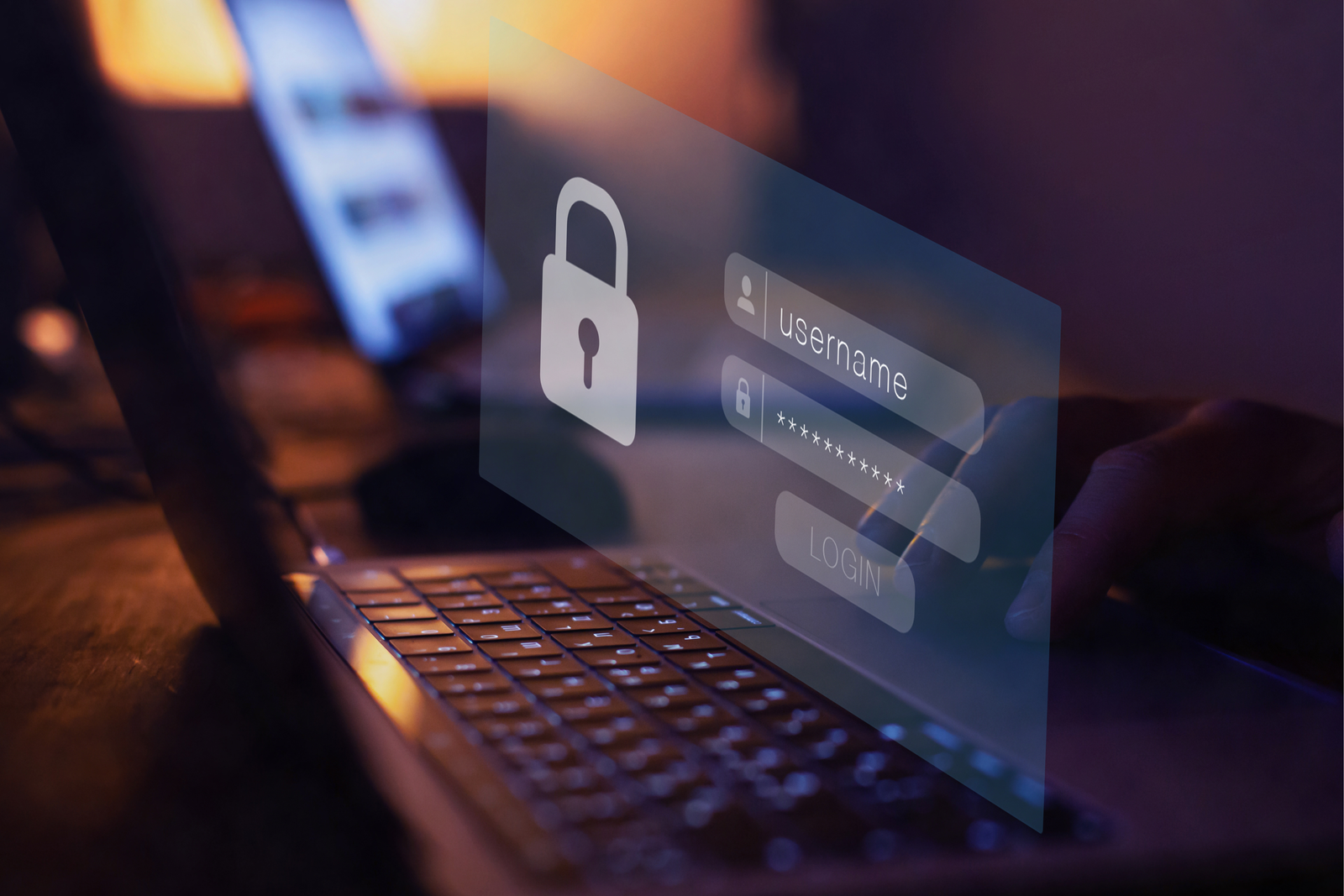
1. Change the router’s default password
The first thing to do is change the factory-set password. These passwords are often published online, making it easy for intruders to get in.
Create a long password mixing letters, numbers and symbols.
2. Update the router’s firmware
The router’s “operating system” also receives security updates.
- Check in your router’s admin panel for available updates.
- If possible, enable automatic updates.
3. Use WPA3 encryption (or at least WPA2)
If your network is still set to WEP (an old protocol), it’s highly vulnerable.
Go to the router settings and choose WPA2 or, preferably, WPA3 if your equipment supports it.
4. Disable WPS
WPS (the button that makes device pairing easier) is convenient but insecure.
Disable it to prevent attackers exploiting that feature.
5. Create a guest network
When friends, family or visitors need to use your Wi-Fi, it’s best not to give them access to your main network.
Enable the guest network on the router — it keeps them separated from your personal devices.
6. Check who’s connected
Most routers show all connected devices.
Review this list regularly and, if you find unknown devices, change the password immediately.
7. Position the router well
It may sound minor, but the router’s location matters. If it’s very close to the street or windows, the signal can be picked up easily from outside.
Keep it in a central spot in the house for better coverage and more privacy.
Conclusion
Securing your Wi-Fi doesn’t require being an IT expert. With these simple measures — changing passwords, updating the router, using strong encryption and separate networks — you’re already taking important steps to ensure only you control your internet.
Your network, your security.